Doris Pollas 1924-2025: The Last Pioneer Has Passed Away
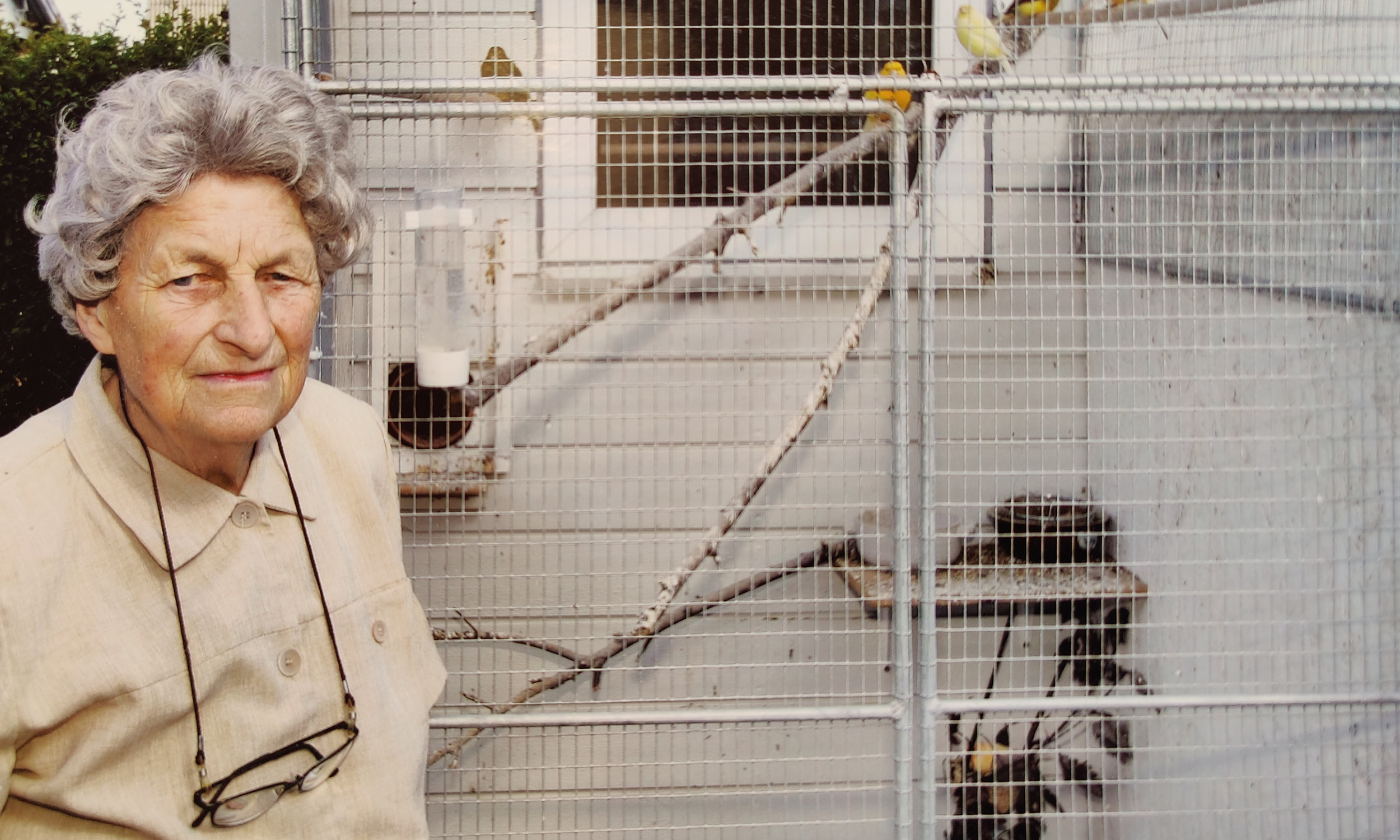
Not everyone experiences fame at the age of 94. But that’s what happened to Doris Pollas when she participated in LGBT+ Denmark’s 70th anniversary celebration in 2018 – as the only person still alive from the organization’s first years. Her pioneering efforts and personal story of a long life as a lesbian – or more precisely, as a “homophile” – made her something of a hero in the Danish LGBT+ community. She has now passed away at the age of 101.
Doris Pollas knew right away that she had to go to Copenhagen. It was 1947, she was 23 years old, and living with her parents in Ringkøbing when a visiting friend told her about a very special bar in the Danish capital: the Admiralkroen, where girls could both dance together and kiss each other! Within just a few months, Doris Pollas found a job at a hotel in Copenhagen and was able to move.
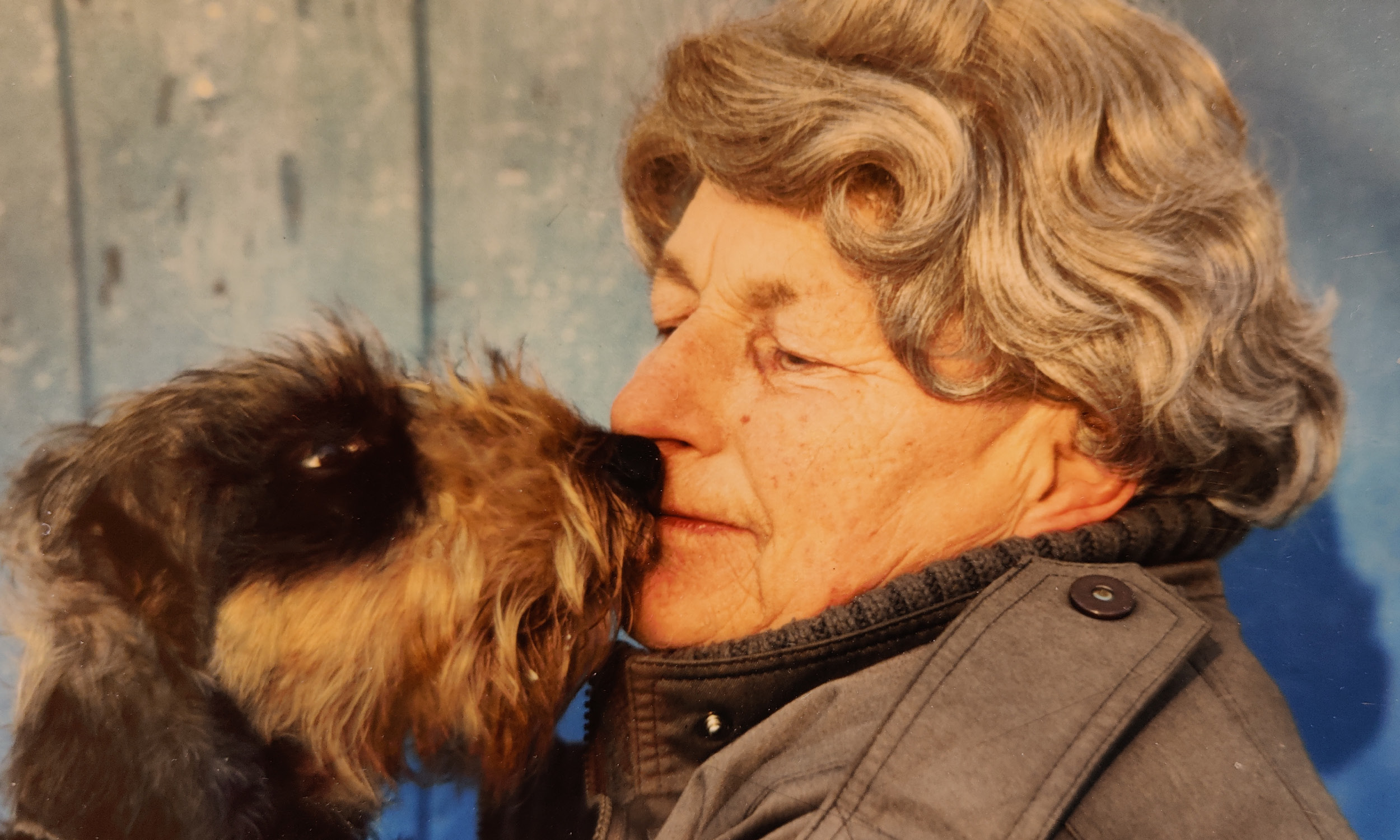
That’s how things often went in Doris Pollas’s life: new opportunities would arise, and she would seize them right away. This also meant she had a very varied life: pub manager, shopkeeper, housekeeper – and even owner of a cat hotel. Animals were a passion for Doris Pollas. From the time she became an agricultural student after finishing school to her involvement with Animal Protection Denmark well into old age. In a photo for a 2004 article in the newspaper Politiken about rescue work for neglected animals, you see an 80-year-old Doris Pollas in full stride, carrying a cat in a transport box.
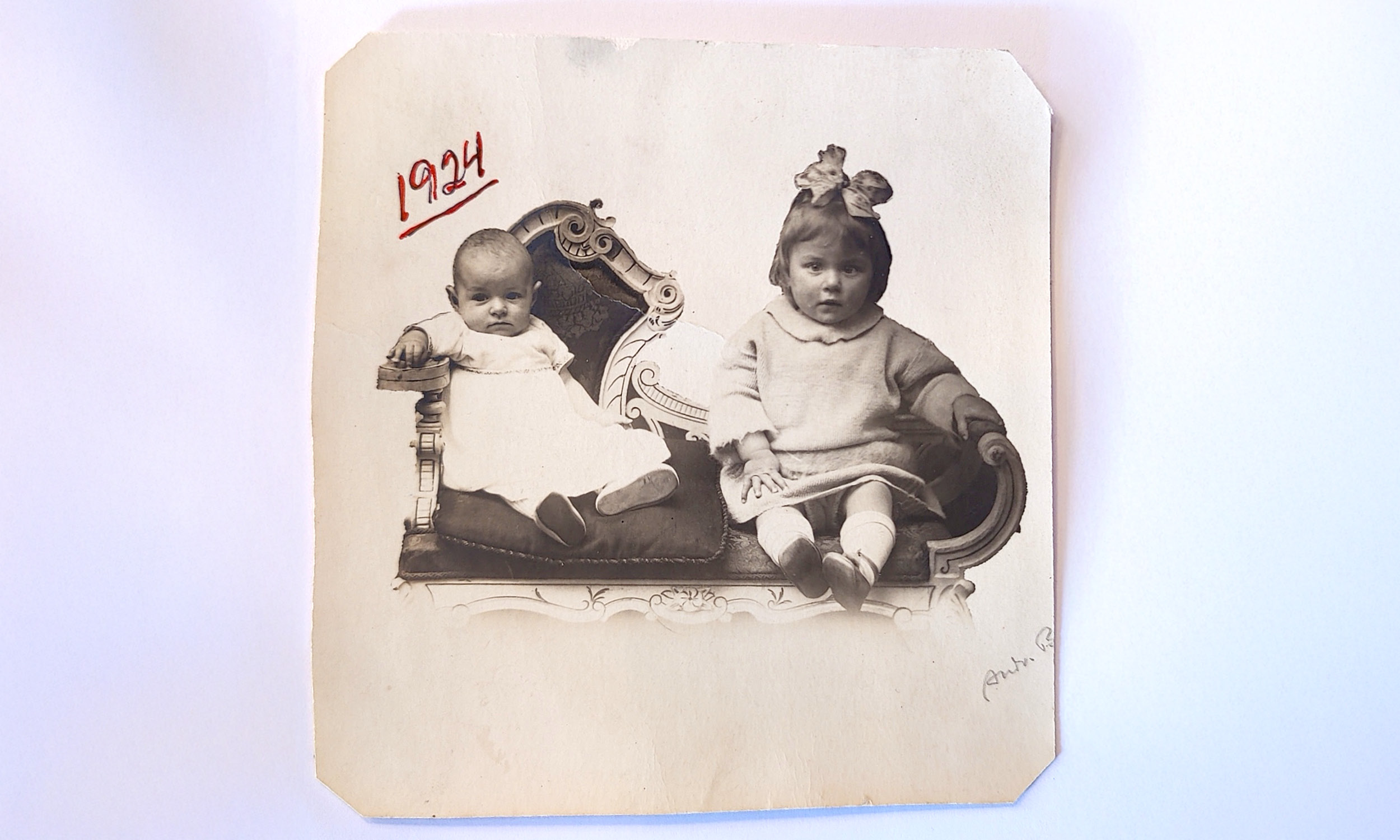
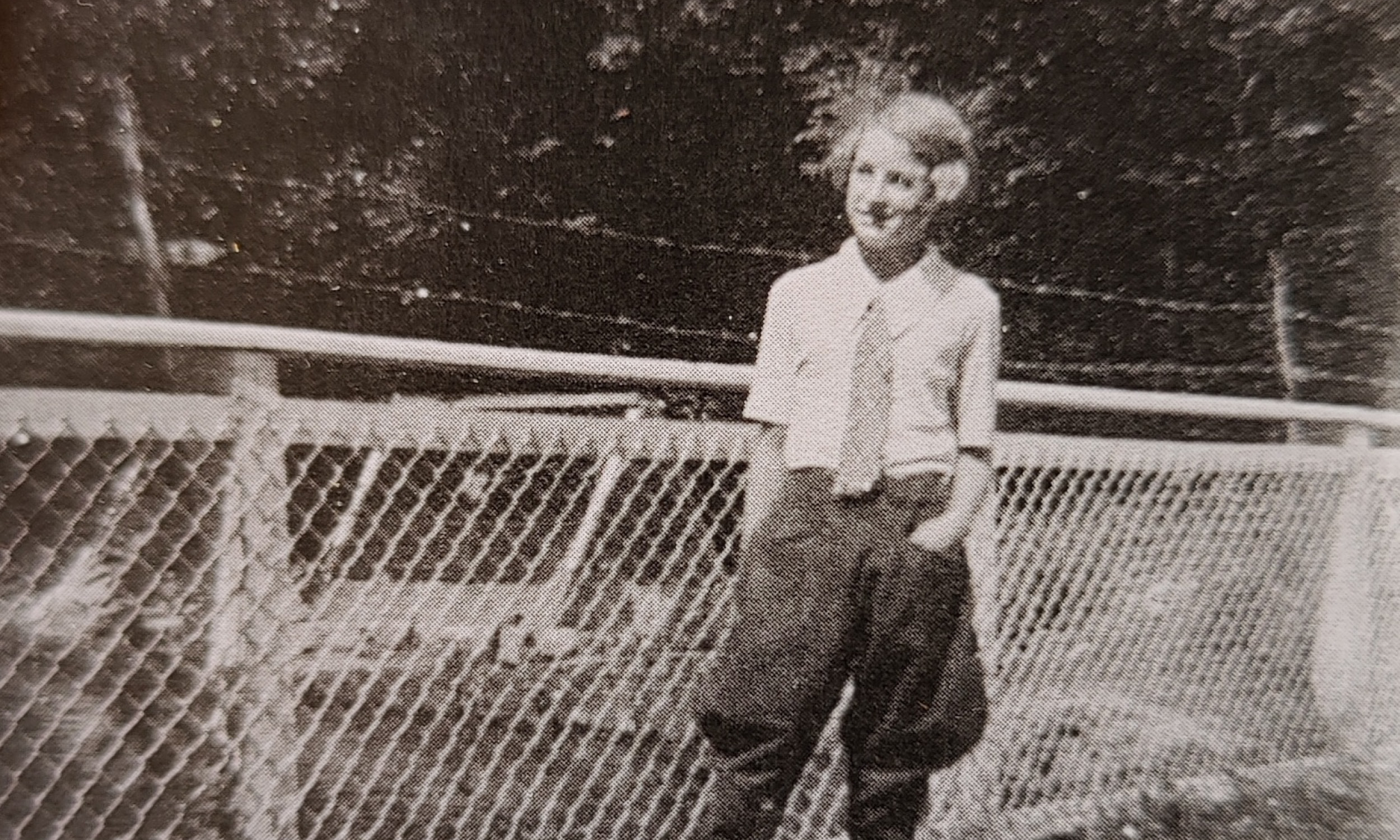
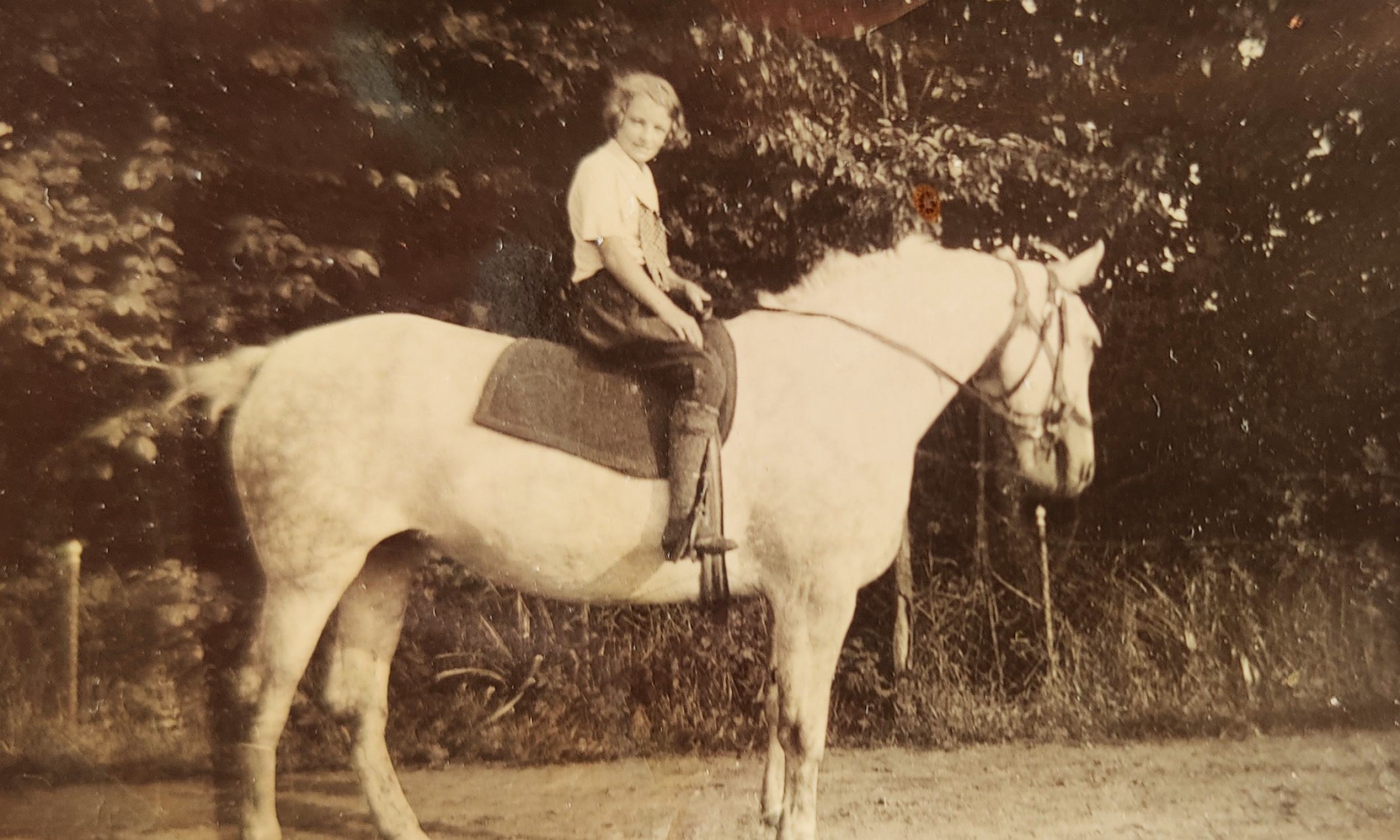
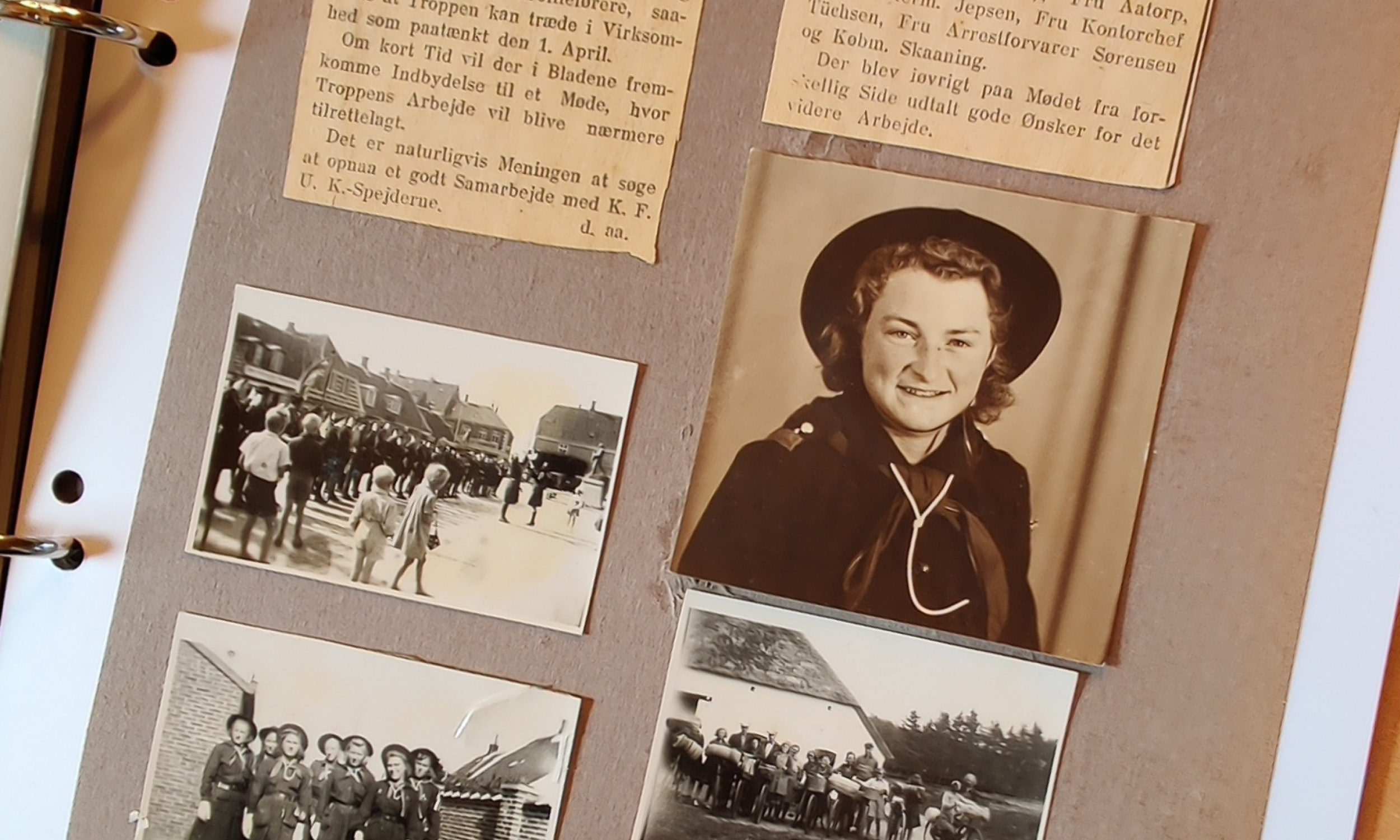
Doris Lillebil Aatorp was born on May 16, 1924. She grew up in a respectable home with a piano and a view of Ringkøbing Fjord. Doris was not like her three sisters — both she and her parents could see that. In the language of the time, she was a tomboy. She preferred woodworking over knitting, wanted the boys’ presents at Christmas parties, and often came home filthy after adventuring on the neighbouring farm. Instead of scolding her, her mother sewed her a pair of overalls. “They accepted me completely as I was,” Doris Pollas said of her parents. When a guest once asked her father if he had any sons, he pointed to Doris and said, “Nah, I only have her.” That made Doris happy and proud. In many ways, she identified as a boy — and from a very young age, she dreamed of having a boy’s name instead of “Doris.”
Drive and Charm
When she finally discovered the lesbian scene at Admiralkroen as a young woman, things moved quickly. Doris was already dressing in a masculine style back in Ringkøbing, complete with a tie, and she apparently became popular quite fast. At first, she met a slightly older woman who took her under her wing, and from there followed many romantic and erotic adventures — always supported by her decisiveness. Whether it meant bribing a doorman to bring a girl home from a night out, or giving an overstepping man a punch in the stomach and a blow to the head when he wouldn’t leave her and a friend alone. It was also during this period that she took the last name Pollas.
A Real Man Among Men
After a few years in Copenhagen, Doris Pollas received an anonymous letter from someone named “Axel,” inviting her to a meeting at the Ølandshus social hall on Amager. It turned out to be Axel Lundahl Madsen — later known as Axgil — who, along with Helmer Fogedgaard, was in the process of building up the Forbundet af 1948 (The Association of 1948), the organization for homosexual and bisexual people that is known today as LGBT+ Denmark. Before long, Axel Lundahl Madsen asked her to join the board — he wanted “a representative for the girls.” Doris Pollas quickly gained great respect, and while Lundahl Madsen began to lose support among the members, Pollas was instead praised as “the only real man on the board.”
Doris Pollas spoke with great enthusiasm about the grand balls held by the association during these early years, where she sometimes worked the door. The events had flair — with live music and people in fabulous costumes — and she remembered one party with as many as 537 guests. She met many “wonderful men” at those events, including, beyond Axel Lundahl Madsen, several prominent gay men of the time, such as fashion designer Holger Blom and theater critic Svend Kragh-Jacobsen (both of whom were closeted).
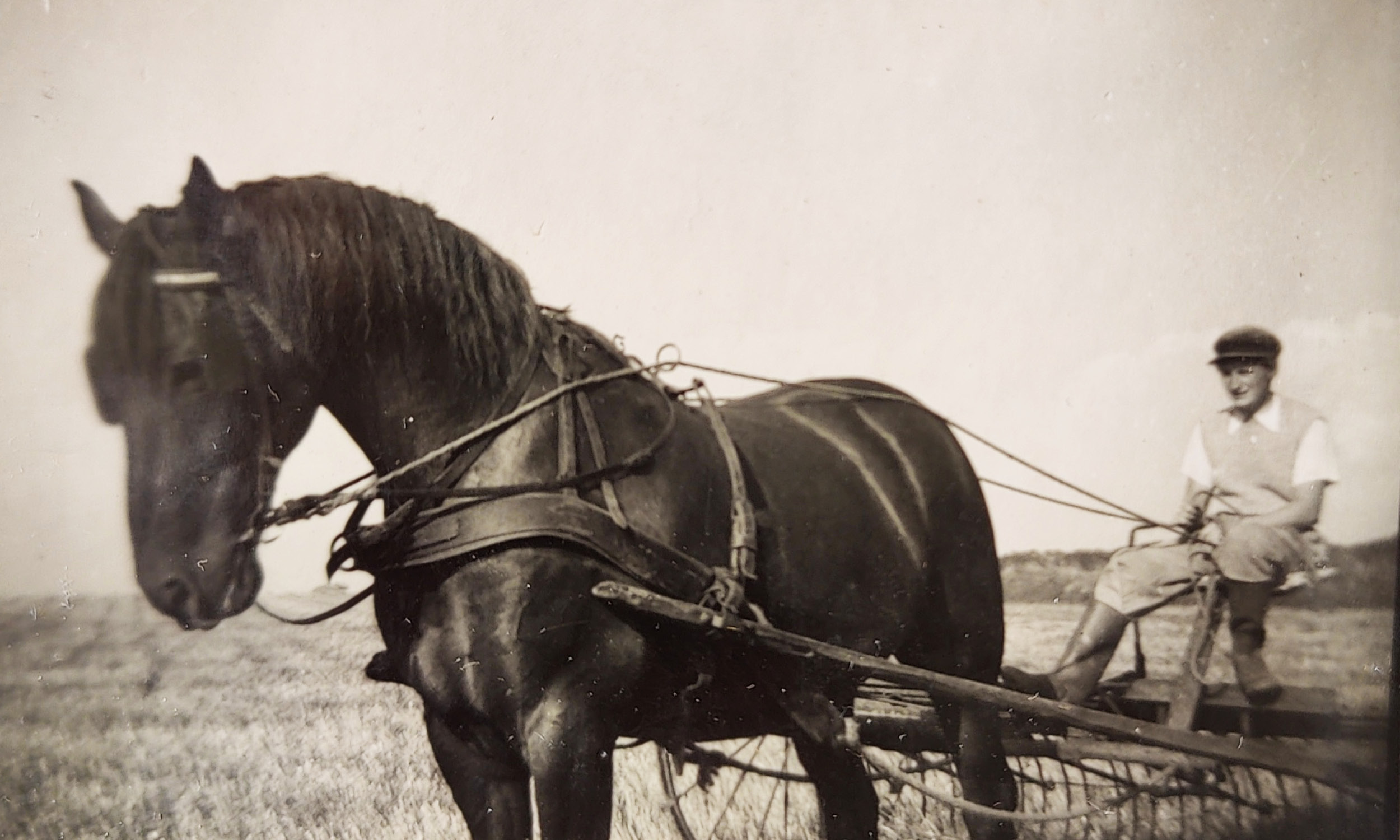
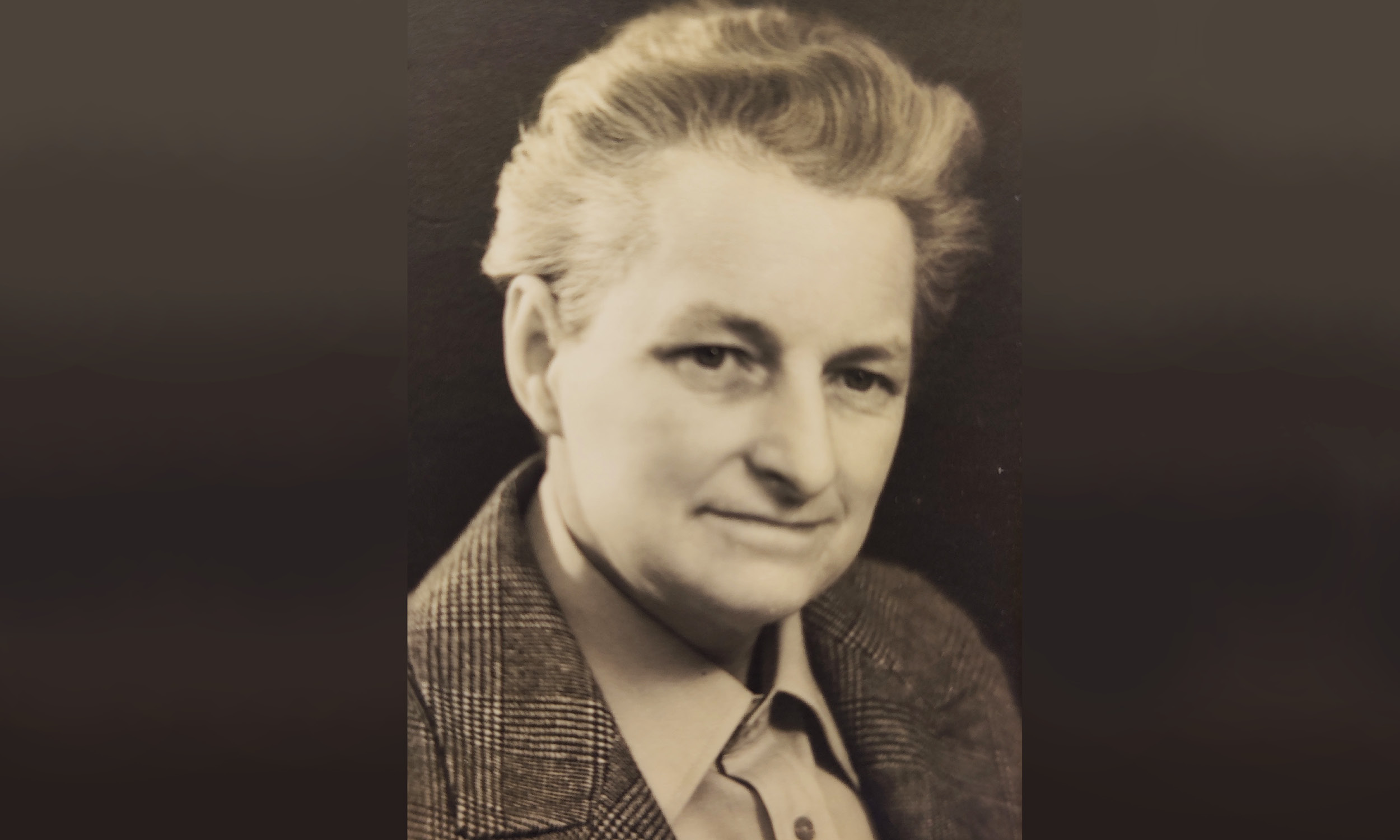
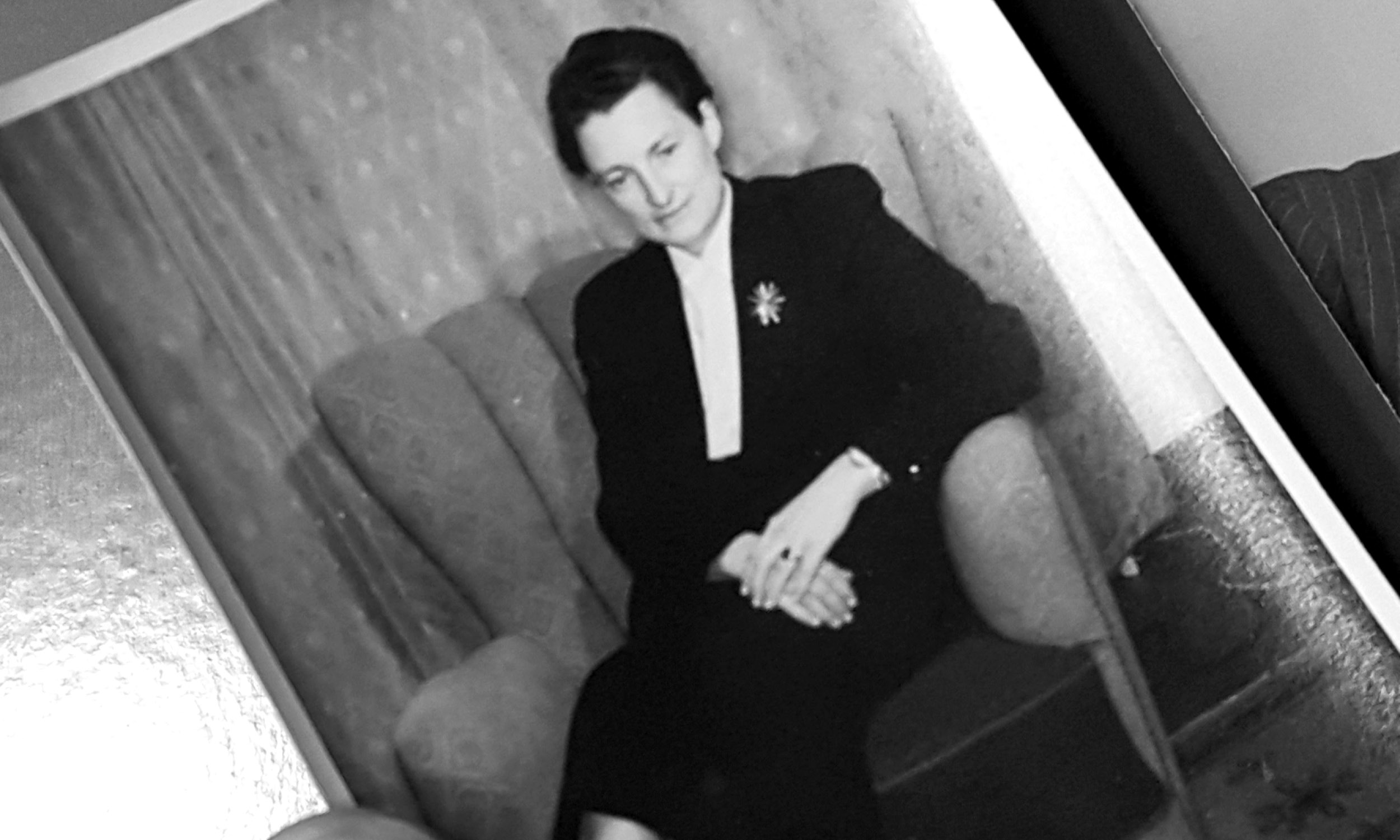
After a stint with the board of the Copenhagen branch of the association and in the lesbian group Decemberklubben (the December Club), Doris Pollas gradually withdrew from the organisational side of the community in the mid-1950s. Around 1960, Doris entered into a lavender marriage with the gay man Gunnar to calm his Christian, homophobic family back in Jutland. They divorced after a few years but remained friends until Gunnar’s death from AIDS in the 1980s.
A Discreet Kind of Love
When Doris Pollas was around 40 in the mid-1960s, she moved back to Jutland, where she would live for the rest of her life. For a period, she owned a dog kennel, became a pub manager, and was, as mentioned, actively involved in the Animal Protection Denmark. She had several girlfriends and partners, but always in a very discreet manner — even though she did live with some of them. She often spoke of her deep connection with her friend Ulla Filskov. They never had a sexual relationship, but shared a devoted love for each other and for animals.
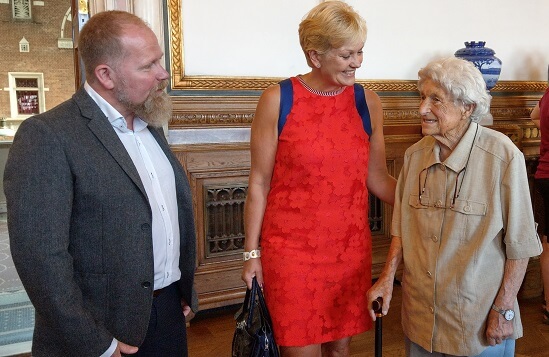
In 2018, Doris finally broke with a lifetime of discretion. When she was invited to LGBT+ Denmark’s 70th anniversary in Copenhagen, she decided it was time to step forward and speak openly about her life as a lesbian. She gave a speech at Copenhagen City Hall, and her story became a minor sensation: One of the pioneers of the movement was still alive — and she was a woman! She also attended some local LGBT+ events in Silkeborg, but she felt there was too much focus on children and families, and not enough music, good food, and parties.
Applause and Honours
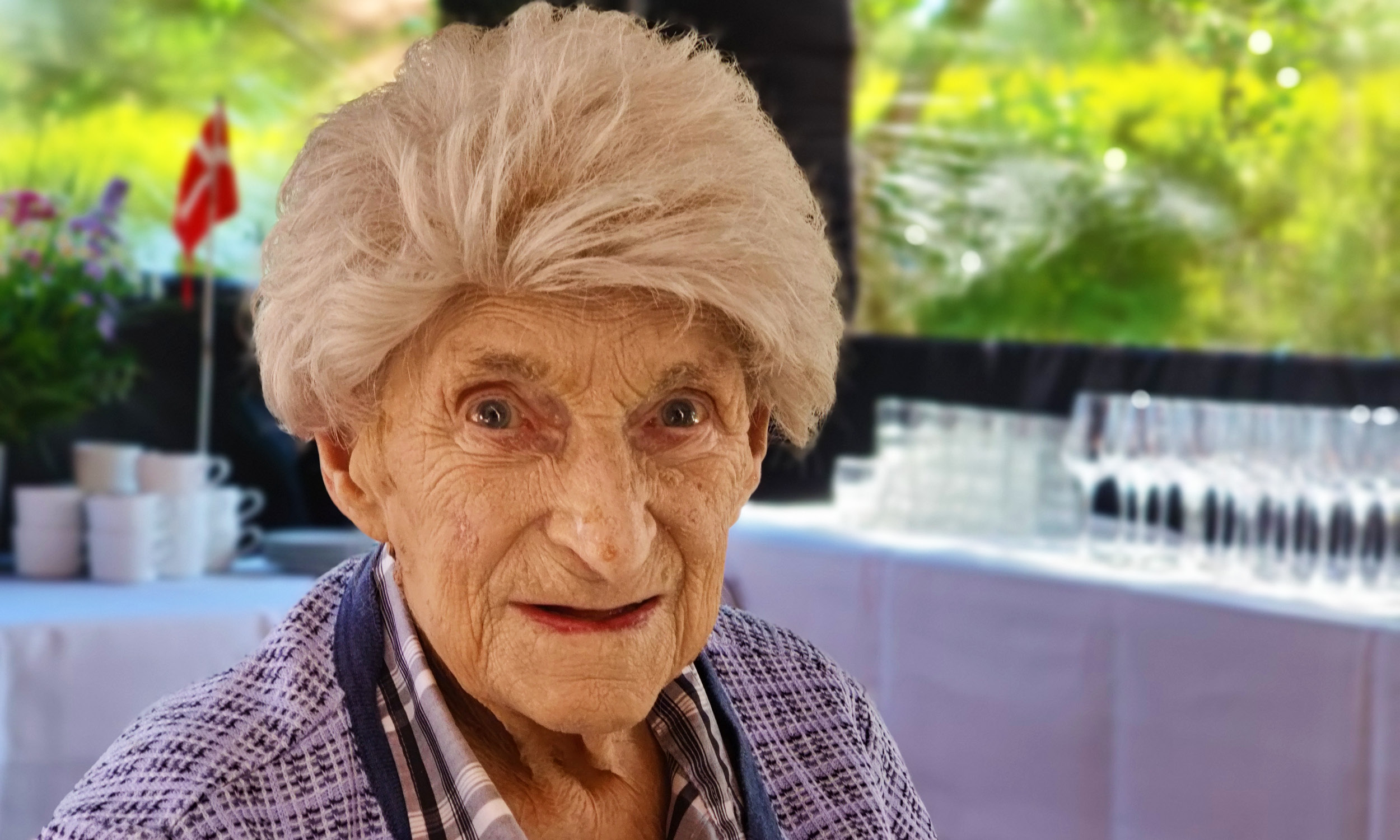
Doris Pollas was somewhat surprised by the attention because she didn’t actually think that being “homophile,” as she still preferred to call it, was a taboo any more. But her speech at the anniversary was met with thunderous applause, and afterward, both ministers and mayors wanted to meet her. She was featured in podcasts, newspapers, and on TV, and received honours from the community: In 2020, she received an honorary award at the Danish Rainbow Awards, and when LGBT+ Denmark celebrated its 75th anniversary in 2023, the organisation named her an honorary member. She was both proud and happy about this, even though by then, she could no longer physically attend the events. In a photo taken on her 100th birthday, the small rainbow flag she received along with the honorary membership was prominently displayed on the table.
She only lived for one more year and passed away on June 5, at the age of 101, after a long period of being bedridden. She died in her home, surrounded by friends. With her passing, the door has finally closed on the generation that laid the foundations for the modern Danish LGBT+ movement.
She leaves us with her fascinating life story of a tomboy who, from her childhood, insisted on challenging the boundaries of her gender and lived an adventurous life filled with animals and women. And she also leaves us with the association, which, today as LGBT+ Denmark, is the second-oldest LGBT+ organisation in the world Thanks to Doris Pollas and others who dared to start the fight.
Rest in peace.
There will be a funeral service for Doris Pollas in Sejs-Svejbæk kirke Wednesday June 18th at 12:30.
You can hear Doris Pollas herself tell the story of her life in Ole Møller Markussen’s podcast “A Homophile Life” on den2radio. The podcast is in Danish – episode 1, episode 2, episode 3 and episode 4.
You can also hear a clip here, where Doris Pollas talks about how the rumor of the lesbian bar in Copenhagen reached her in Ringkøbing in 1947:
Thanks to Peter Edelberg and Ole Møller Markussen for their help with research. Ole Møller Markussen also assisted with the many beautiful photos from Doris Pollas’s private collection.